









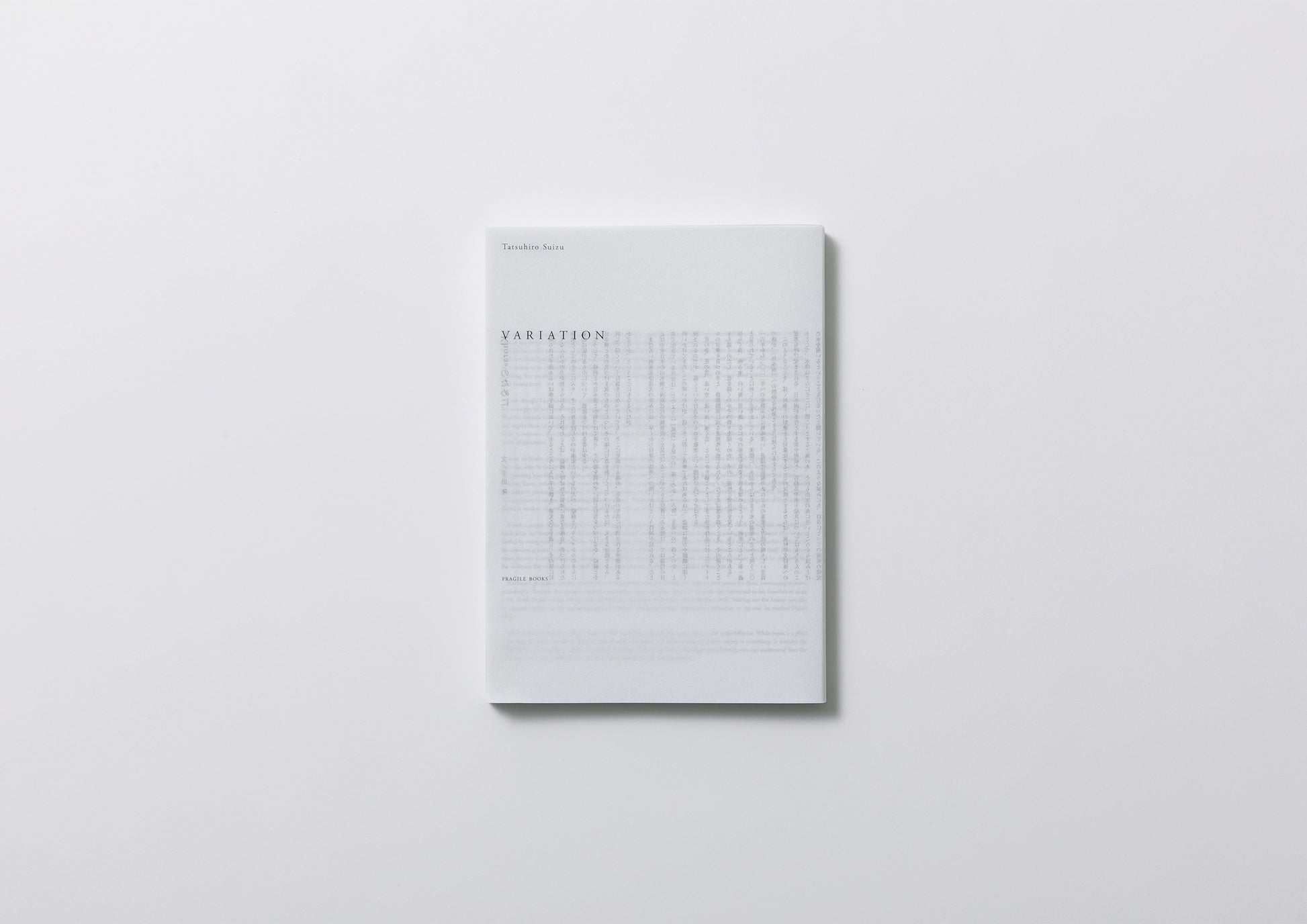
VARIATION[special edition]/ Tatsuhiro Suizu




![<tc>VARIATION[special edition]/ Tatsuhiro Suizu</tc>](http://en.fragile-books.com/cdn/shop/files/2E80F260-9A3D-4041-A0CE-6757457E1763_84x84.jpg?v=1753691439)
![<tc>VARIATION[special edition]/ Tatsuhiro Suizu</tc>](http://en.fragile-books.com/cdn/shop/files/0357FD5C-67A3-4D00-8C8F-CC57089487BC_84x84.jpg?v=1753691439)
![<tc>VARIATION[special edition]/ Tatsuhiro Suizu</tc>](http://en.fragile-books.com/cdn/shop/files/A7062001-7BB7-4C57-9063-841F7CF4DE8C_84x84.jpg?v=1753691439)
![<tc>VARIATION[special edition]/ Tatsuhiro Suizu</tc>](http://en.fragile-books.com/cdn/shop/files/440E3B61-53F5-43C6-A810-C300071AD0BA_84x84.jpg?v=1753691439)
![<tc>VARIATION[special edition]/ Tatsuhiro Suizu</tc>](http://en.fragile-books.com/cdn/shop/files/21C2B8DC-8823-46CE-B470-7EBD0625E128_84x84.jpg?v=1753691438)
![<tc>VARIATION[special edition]/ Tatsuhiro Suizu</tc>](http://en.fragile-books.com/cdn/shop/files/74641D92-05EF-4A95-901E-DFDA1308EFB8_84x84.jpg?v=1753691440)
![<tc>VARIATION[special edition]/ Tatsuhiro Suizu</tc>](http://en.fragile-books.com/cdn/shop/files/7F1DBD5A-800A-4E29-8F37-23CC93B98481_84x84.jpg?v=1753691438)
![<tc>VARIATION[special edition]/ Tatsuhiro Suizu</tc>](http://en.fragile-books.com/cdn/shop/files/3EAE5DC5-036F-4983-B3DF-E0F62B2C9EDE_84x84.jpg?v=1753691439)
![<tc>VARIATION[special edition]/ Tatsuhiro Suizu</tc>](http://en.fragile-books.com/cdn/shop/files/05FA0884-EE24-4D60-93A1-EF1837BFA0C0_84x84.jpg?v=1753691438)
![<tc>VARIATION[special edition]/ Tatsuhiro Suizu</tc>](http://en.fragile-books.com/cdn/shop/files/0515F0DD-59FC-487C-A7D0-BB350DB5A7D6_84x84.jpg?v=1753691438)
![<tc>VARIATION[special edition]/ Tatsuhiro Suizu</tc>](http://en.fragile-books.com/cdn/shop/files/2D606BA3-1570-4E48-A220-38630D524F96_84x84.jpg?v=1753691438)
![<tc>VARIATION[special edition]/ Tatsuhiro Suizu</tc>](http://en.fragile-books.com/cdn/shop/files/642D237F-9286-4C96-BA04-A9C064F86719_84x84.jpg?v=1753691439)
![<tc>VARIATION[special edition]/ Tatsuhiro Suizu</tc>](http://en.fragile-books.com/cdn/shop/files/7BF226B8-848C-487F-A623-070568A4018F_84x84.jpg?v=1753691439)
![<tc>VARIATION[special edition]/ Tatsuhiro Suizu</tc>](http://en.fragile-books.com/cdn/shop/files/AF729FB7-97F7-4482-A969-0480FB31EF1B_84x84.jpg?v=1753691439)
![<tc>VARIATION[special edition]/ Tatsuhiro Suizu</tc>](http://en.fragile-books.com/cdn/shop/files/D272CB7C-D0ED-4173-8496-2C0DC74B37AB_84x84.jpg?v=1753691438)
![<tc>VARIATION[special edition]/ Tatsuhiro Suizu</tc>](http://en.fragile-books.com/cdn/shop/files/1A400A65-244F-49D4-9EEE-3875BADA0486_84x84.jpg?v=1753691438)
![<tc>VARIATION[special edition]/ Tatsuhiro Suizu</tc>](http://en.fragile-books.com/cdn/shop/files/4A3E1A04-C178-4B37-BC44-8899F4315283_84x84.jpg?v=1753691438)
![<tc>VARIATION[special edition]/ Tatsuhiro Suizu</tc>](http://en.fragile-books.com/cdn/shop/files/6984E04E-3F70-4FE6-A68D-D04FCC98CC93_84x84.jpg?v=1753691438)
![<tc>VARIATION[special edition]/ Tatsuhiro Suizu</tc>](http://en.fragile-books.com/cdn/shop/files/C7018EE8-5EAF-4D3A-8B53-854A479D084A_84x84.jpg?v=1753691438)
![<tc>VARIATION[special edition]/ Tatsuhiro Suizu</tc>](http://en.fragile-books.com/cdn/shop/files/78A32102-8E8D-40B3-8CED-C35129C1B3E6_84x84.jpg?v=1753691438)
Bibliographic Details
- Title
- VARIATION[special edition]
- Artist
- Tatsuhiro Suizu / 水津達大
- Editor
- Director + Editor + Publisher: Osamu Kushida / 櫛田 理
- Designer
- Nobuhiro Yamaguchi + Ippei Tamai / 山口信博+玉井一平
- Images
- Photo by Yosuke Otomo / 写真:大友洋祐
- Publisher
- FRAGILE BOOKS
- Year
- 2025
- Size
- w203 × h274 × d28mm
- Weight
- 850g
- Pages
- 180pages
- Language
- English & Japanese / 日英対訳
- Binding
- thread-sewn binding / 糸かがり
- Printing
- 2C offset printing in black and silver/ 墨と銀の2C オフセット
- Materials
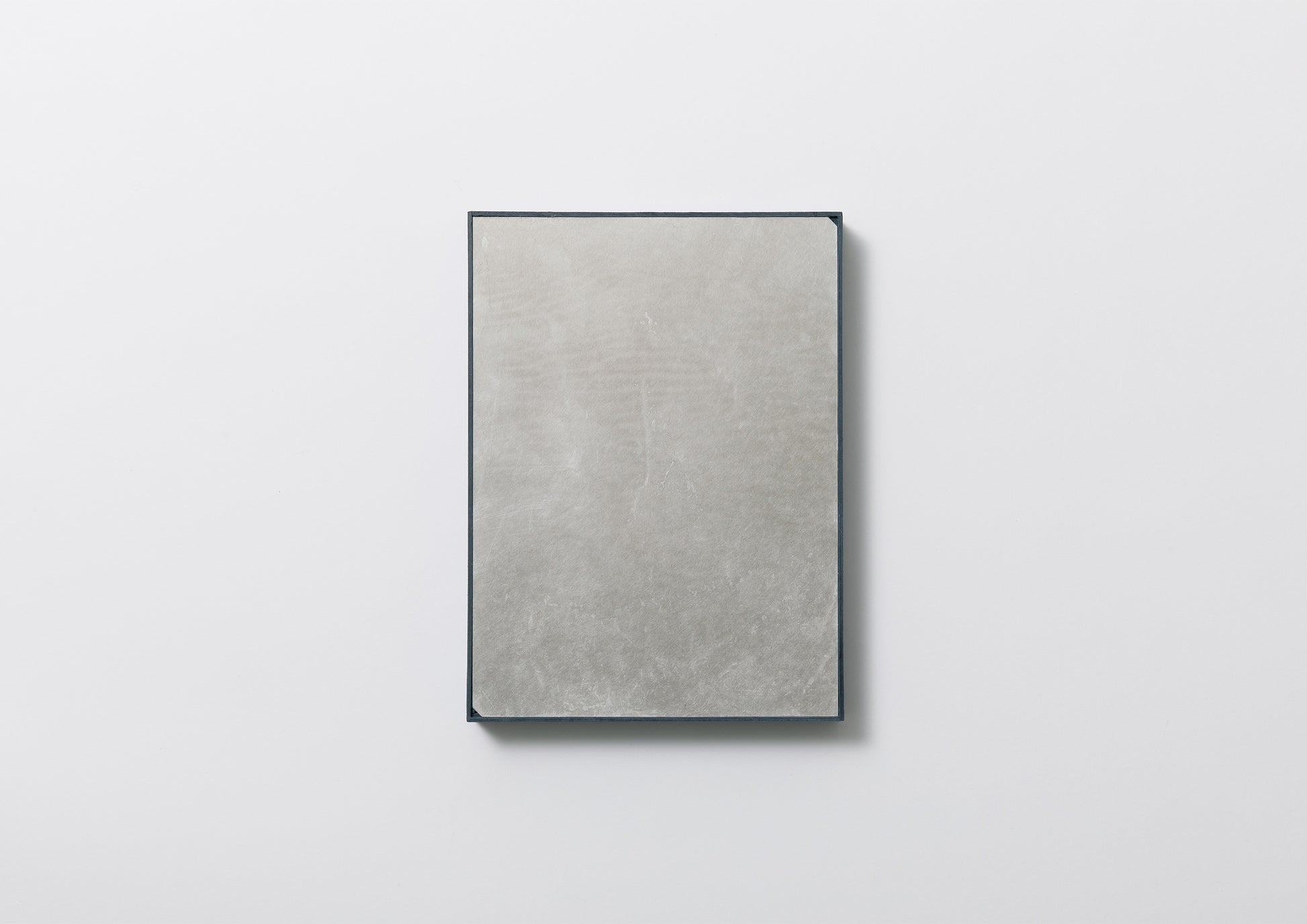
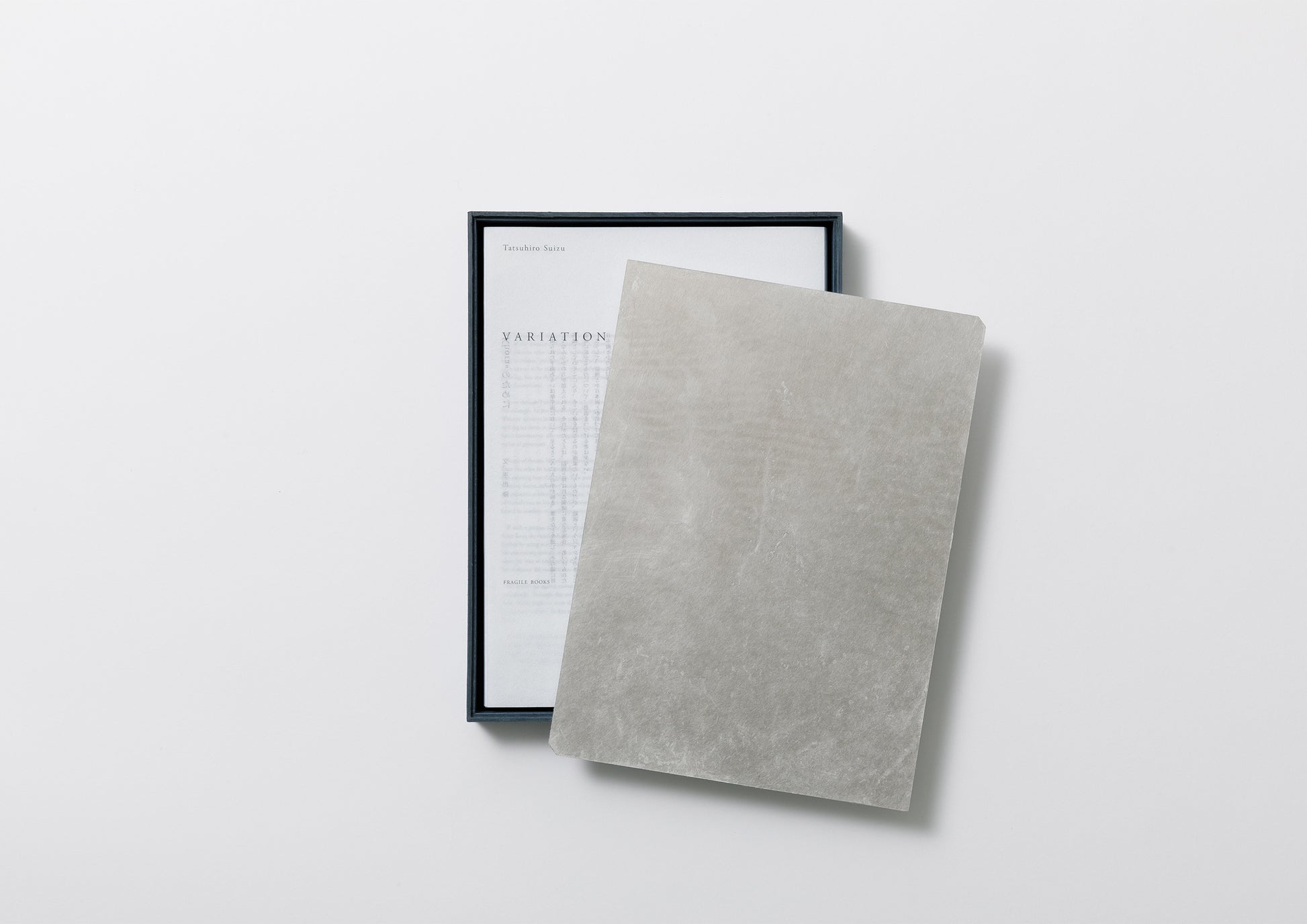
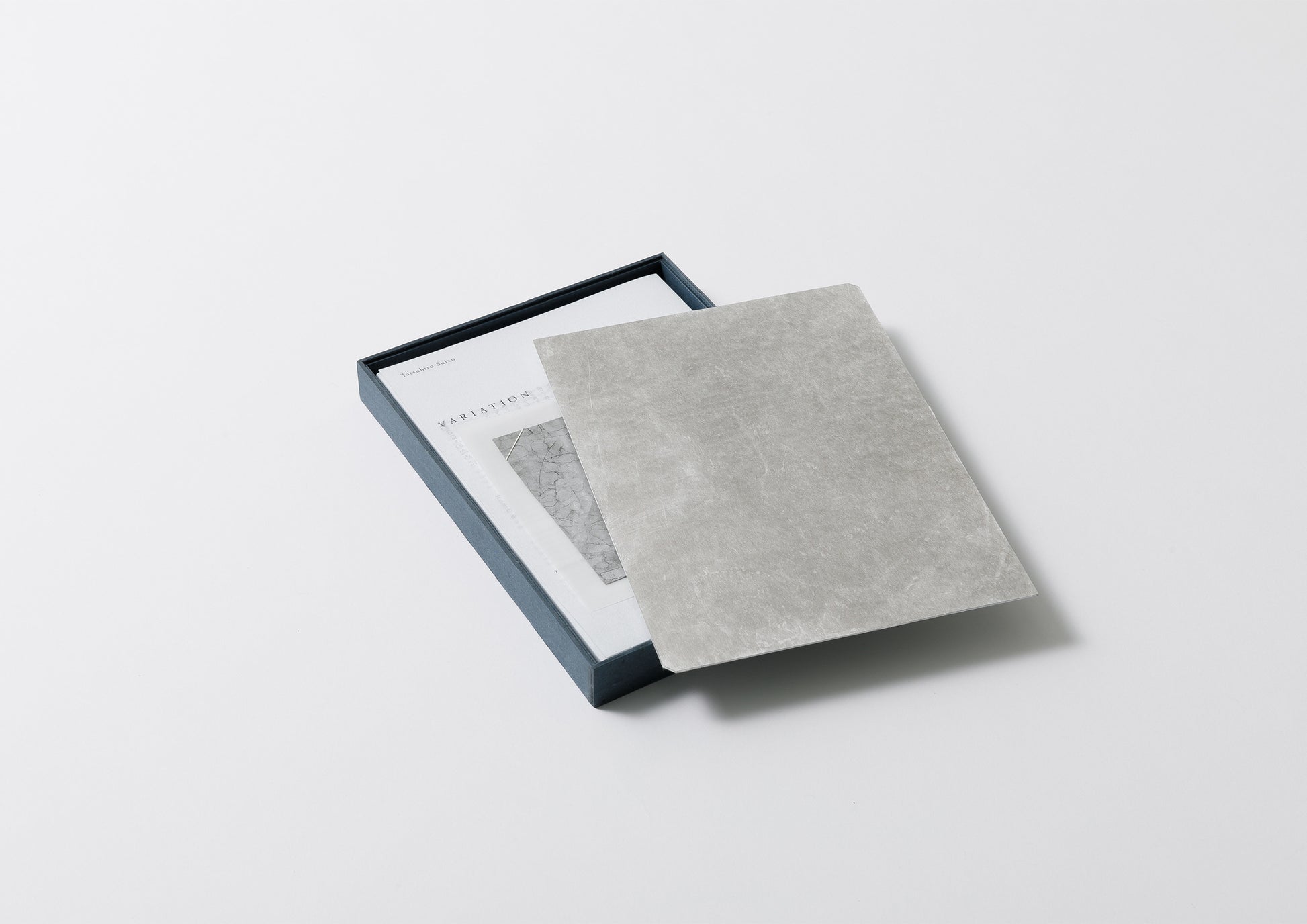
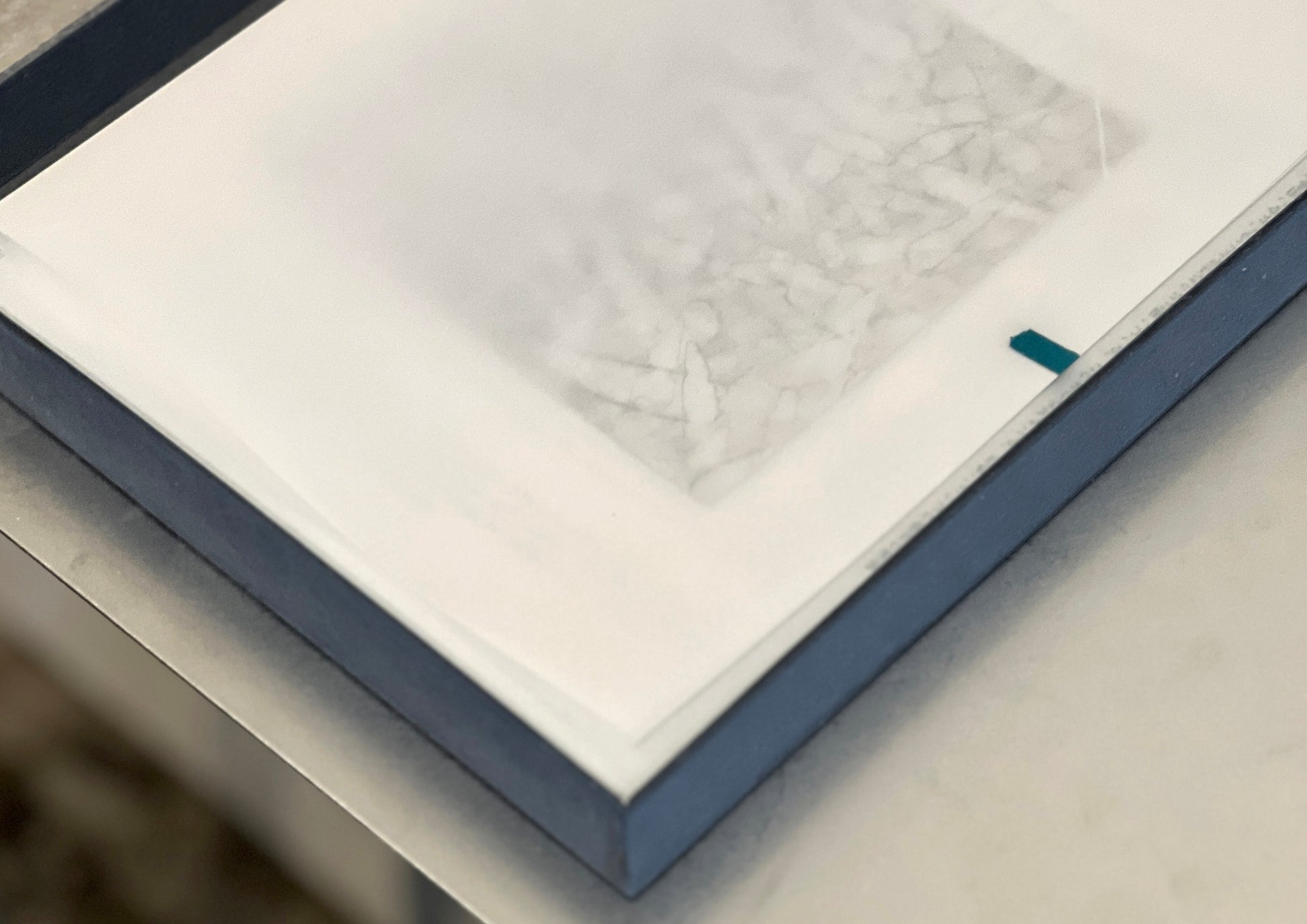
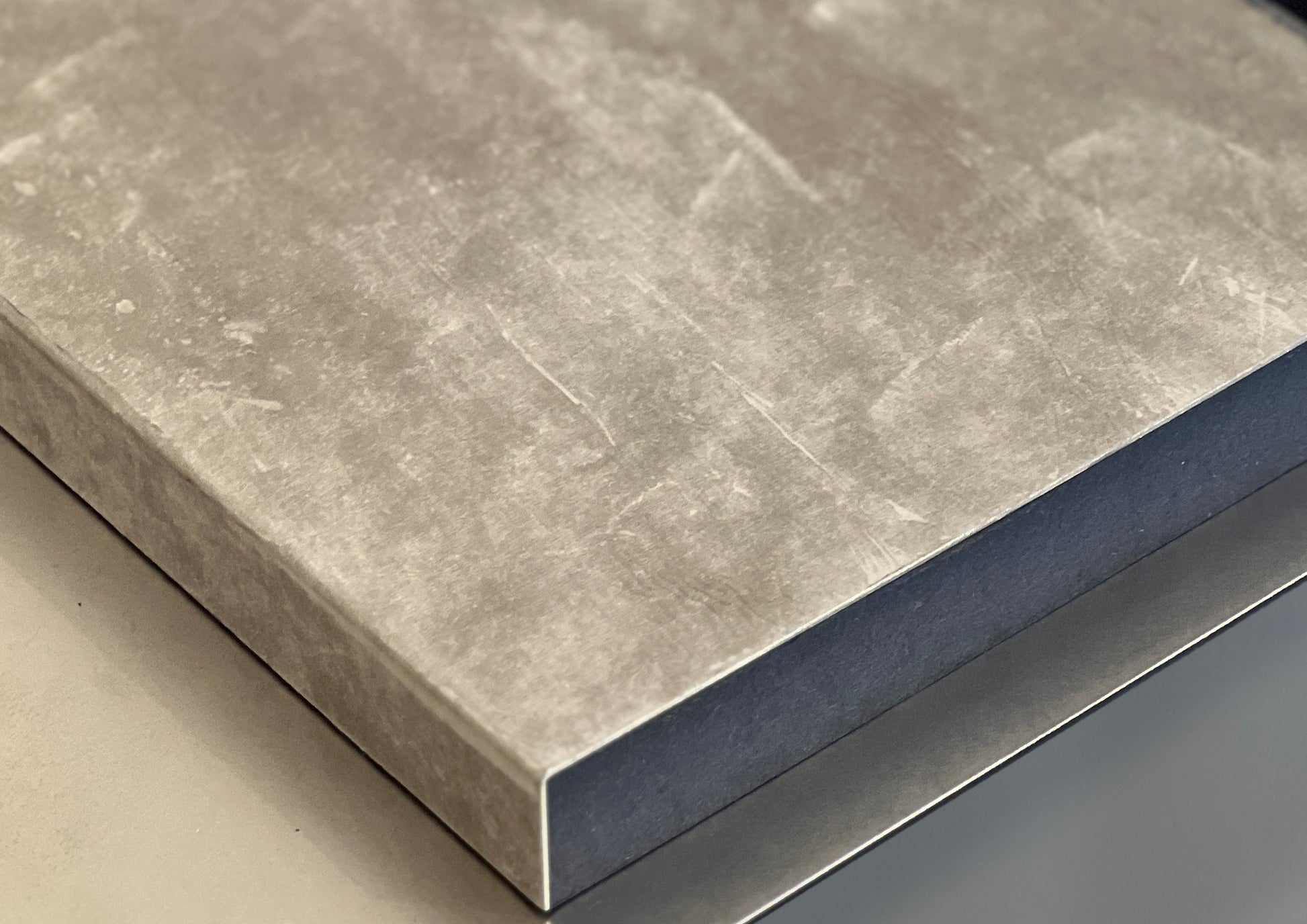
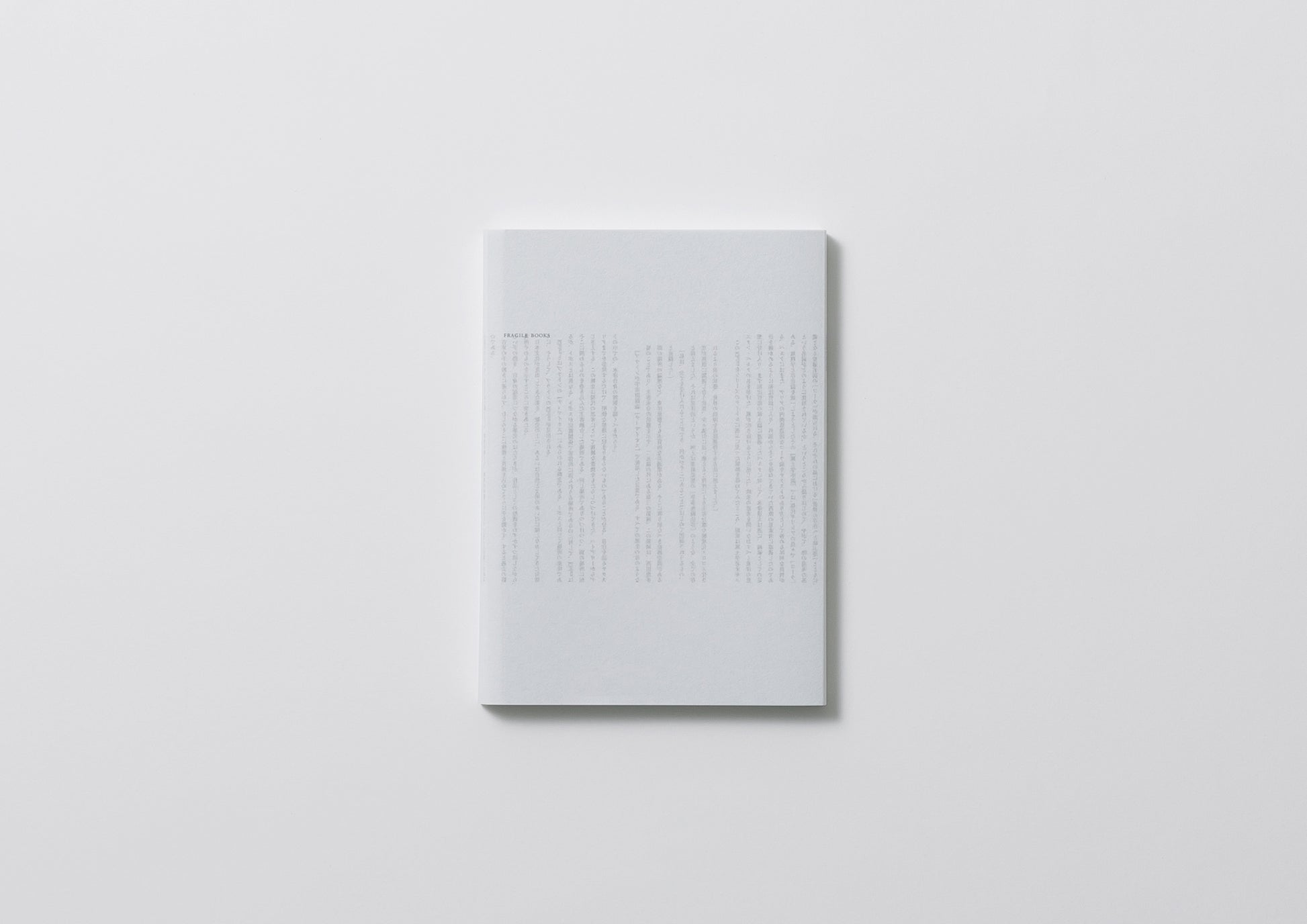
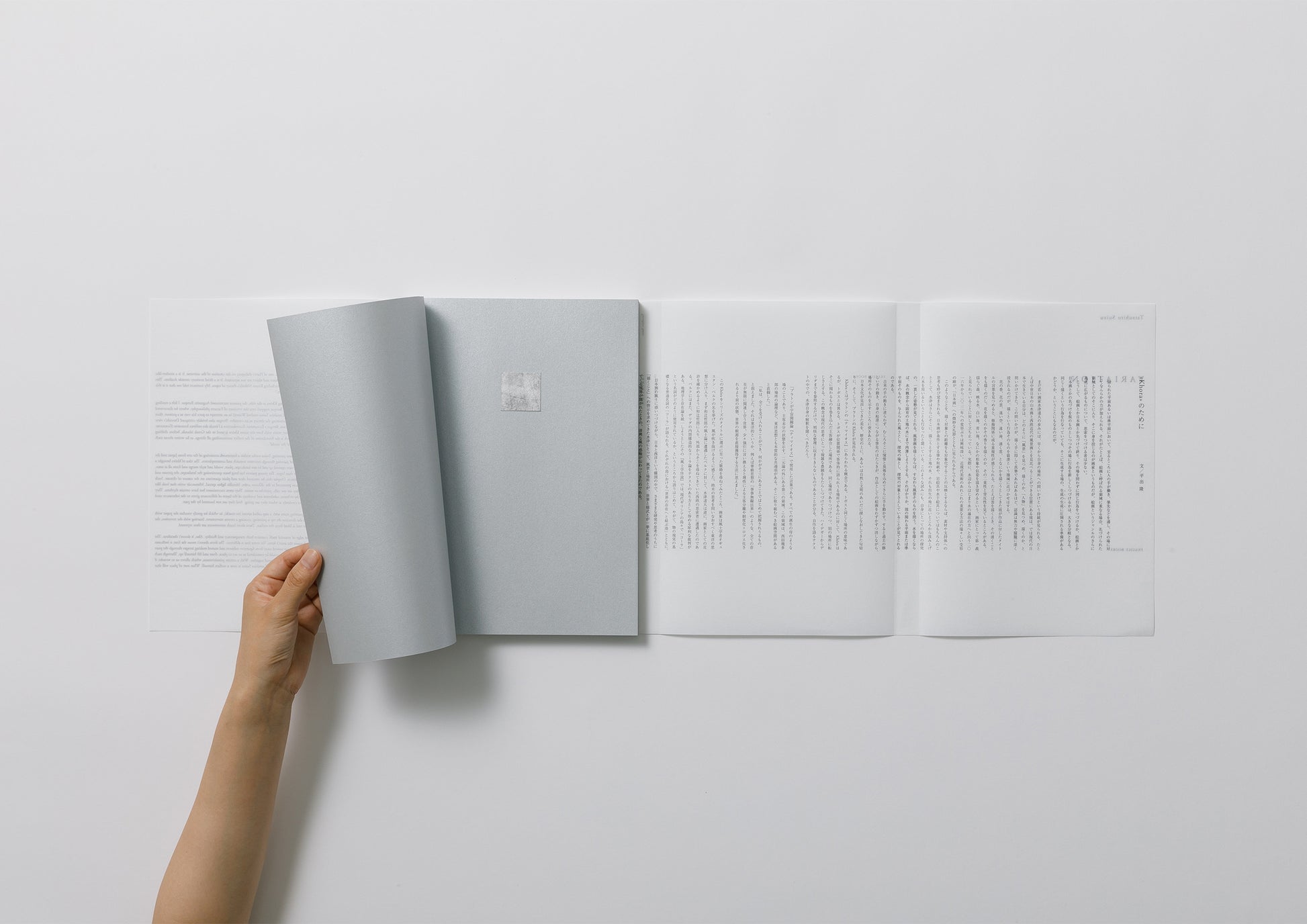
- Materials of the special box: Metal plate, carton bleu tradition, Gampi paper / Materials of book: Main paper: b7 Bulky 4/6 90.5kg, Cover Paper: Star Dream Silver 4/6 88kg, book jacket: MBS Tech #100 Sleeve paper: bulky ball (white) 270g/㎡ / 特装箱の素材:金属の板・青いボール紙(carton bleu tradition)・雁皮紙 / 本の素材 本文用紙:b7バルキー 46判 90.5kg 、表紙用紙:スタードリーム シルバー 46判 88kg 、カバー用紙:MBSテック #100 スリーブ用紙:バルキーボール(白)270g/㎡
- Edition
- Limited edition of 15 copies / 限定15部 , Edition number 1 to 15 / エディション番号 1から15
- Condition
- New
- ISBN
- 9784909479075
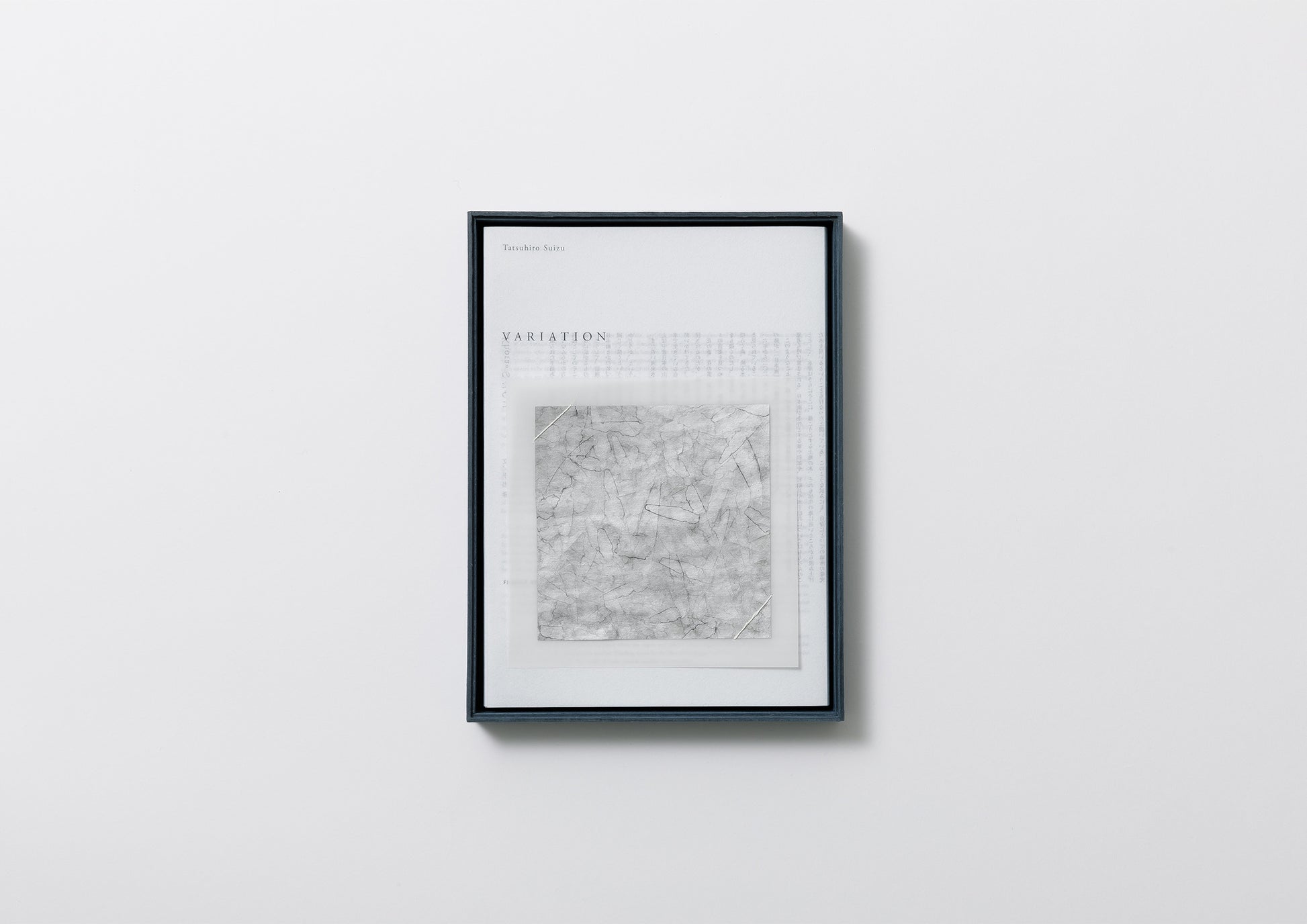
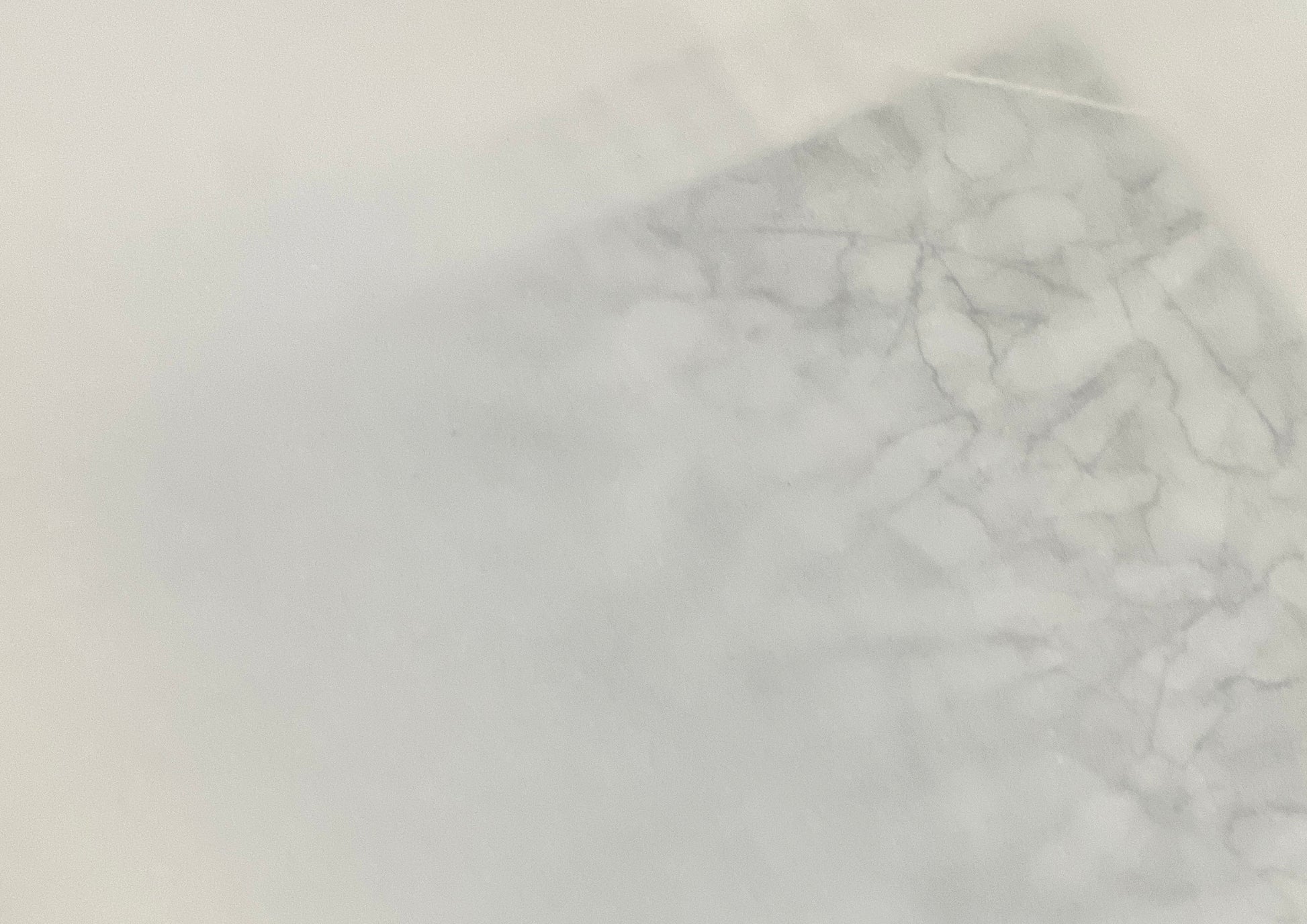
**One numbered & signed of VARIATION + a fragment of the original drawing Khora (140 mm × 140 mm)/ナンバー&サイン入り『VARIATION』1冊 + 原画「Khora」の断片(140mm × 140mm)** Foreword: Takashi Hiraide, English translation: Futoshi Miyagi, Editorial assistant: Ichika Tagawa, Box design for special edition: Akie Tsuzuki, Bookbinding advisor: Manabu Iwase, Printing director: Norio Kobayashi, Printing: TOPPAN Colorer Inc., Binding: Shinnihonshikou co.,Ltd /序文:平出 隆、翻訳:ミヤギフトシ、編集協力:田川いちか、特装箱:都筑晶絵、造本協力:岩瀬 学、プリンティングディレクター:小林則雄、印刷:TOPPANクロレ、製本:新日本紙工
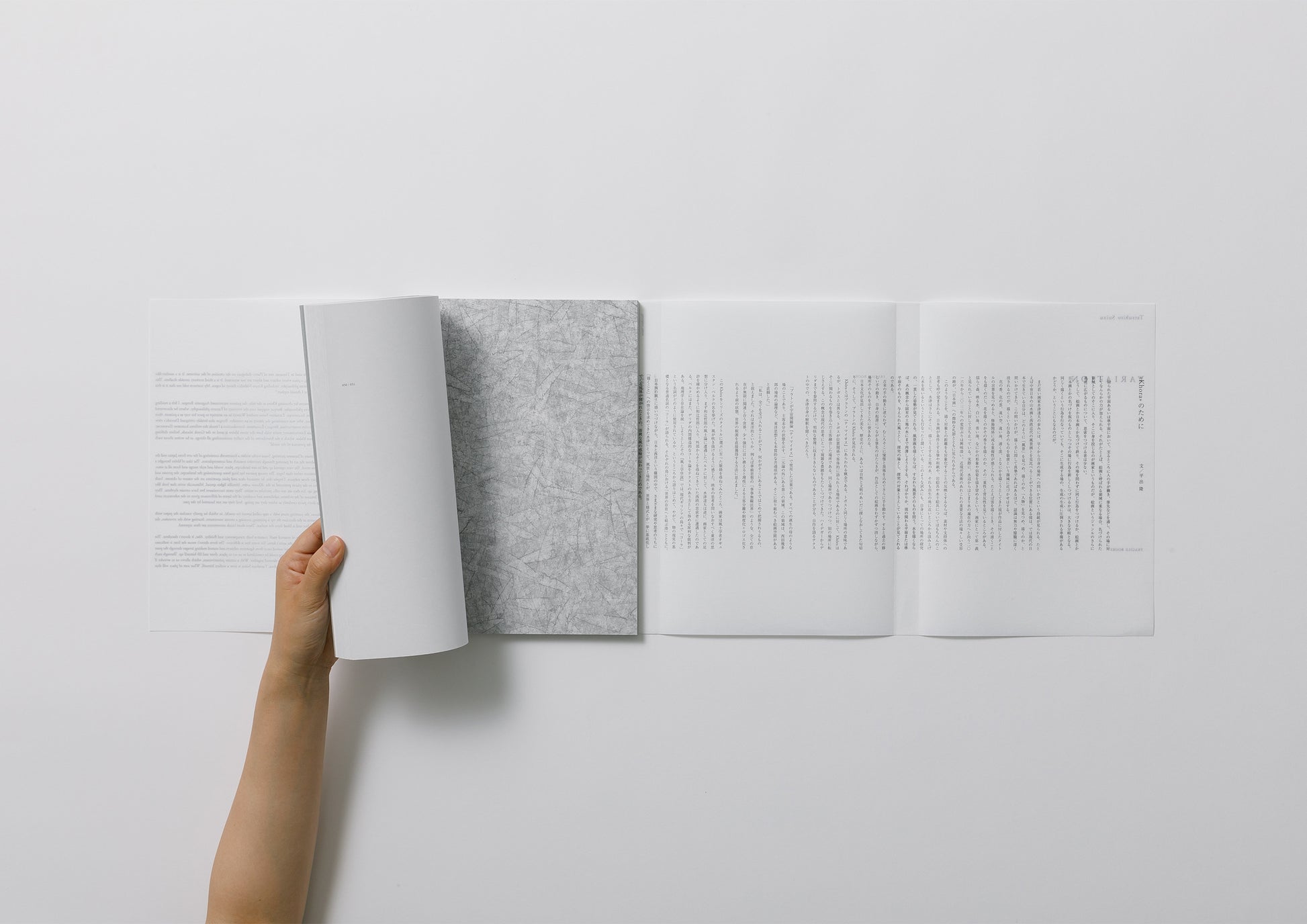
“Cracks and blurs become part of the scenery of painting. Metallic light spreads. Microscopic units that resemble cells, particles, or stains accumulate. Yet they are none of these. Though they appear irregular, they possess rhythm. This painting neither points to the futility of things nor lingers on the past.”
Takashi Hiraide (from the preface)
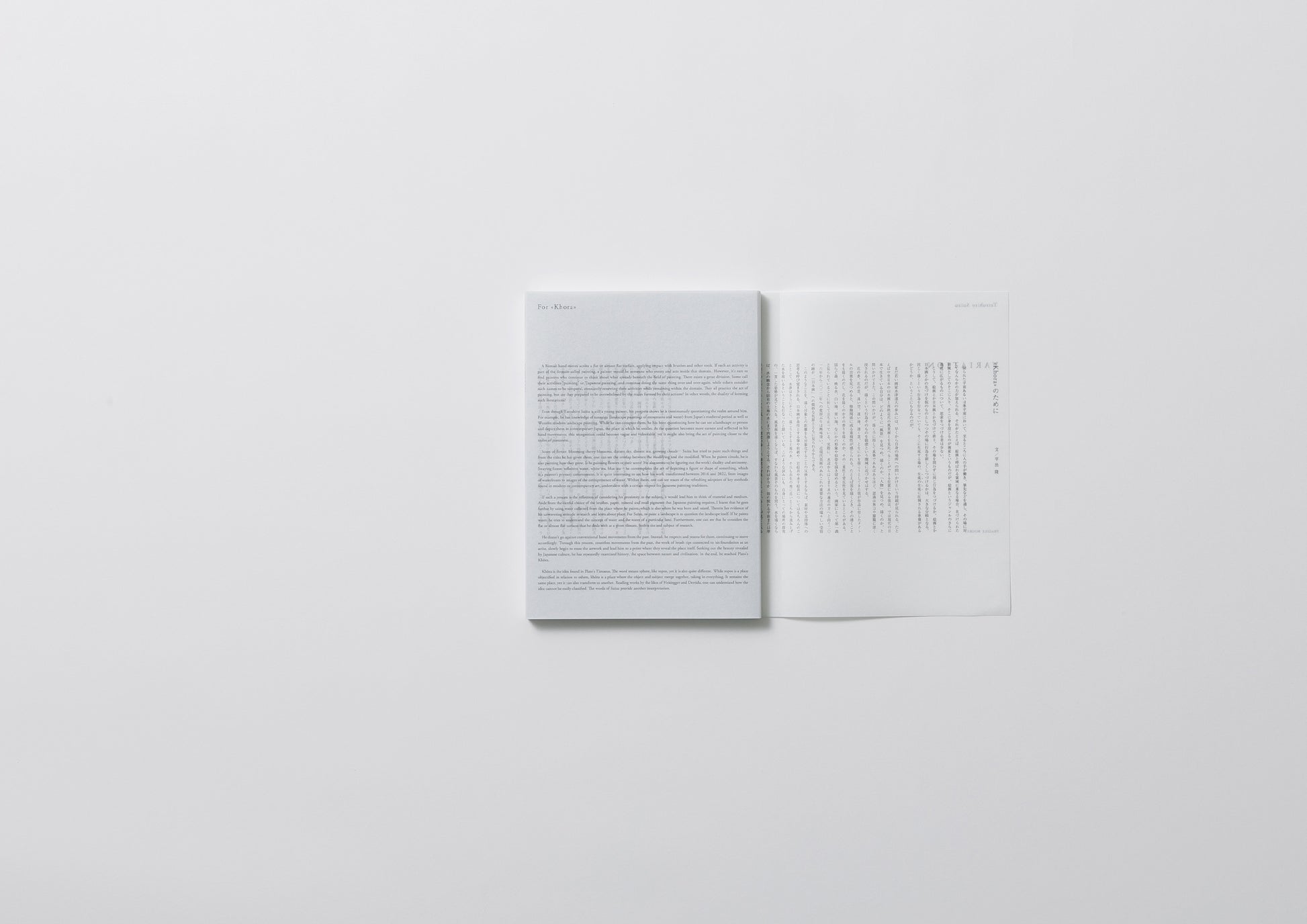
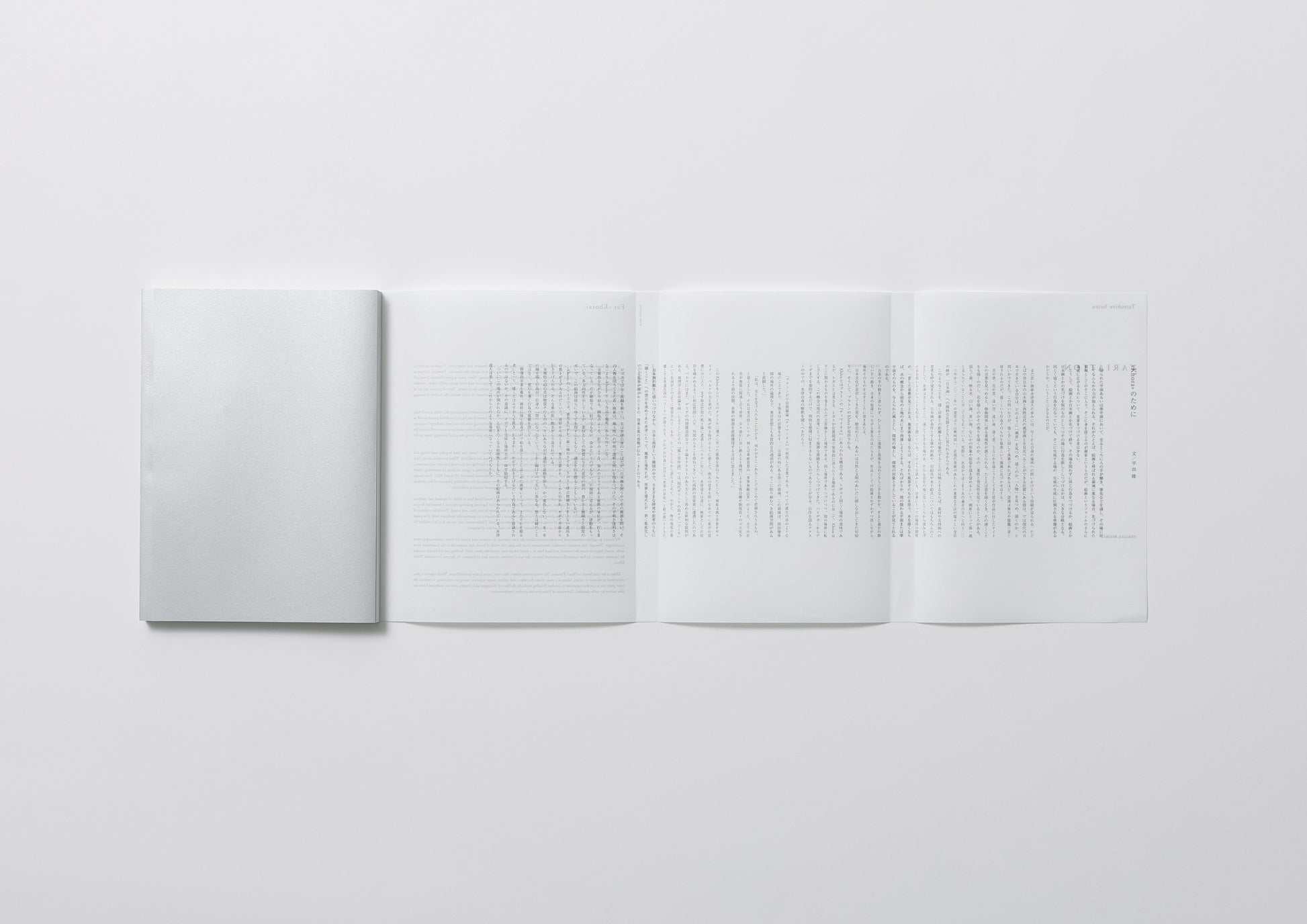
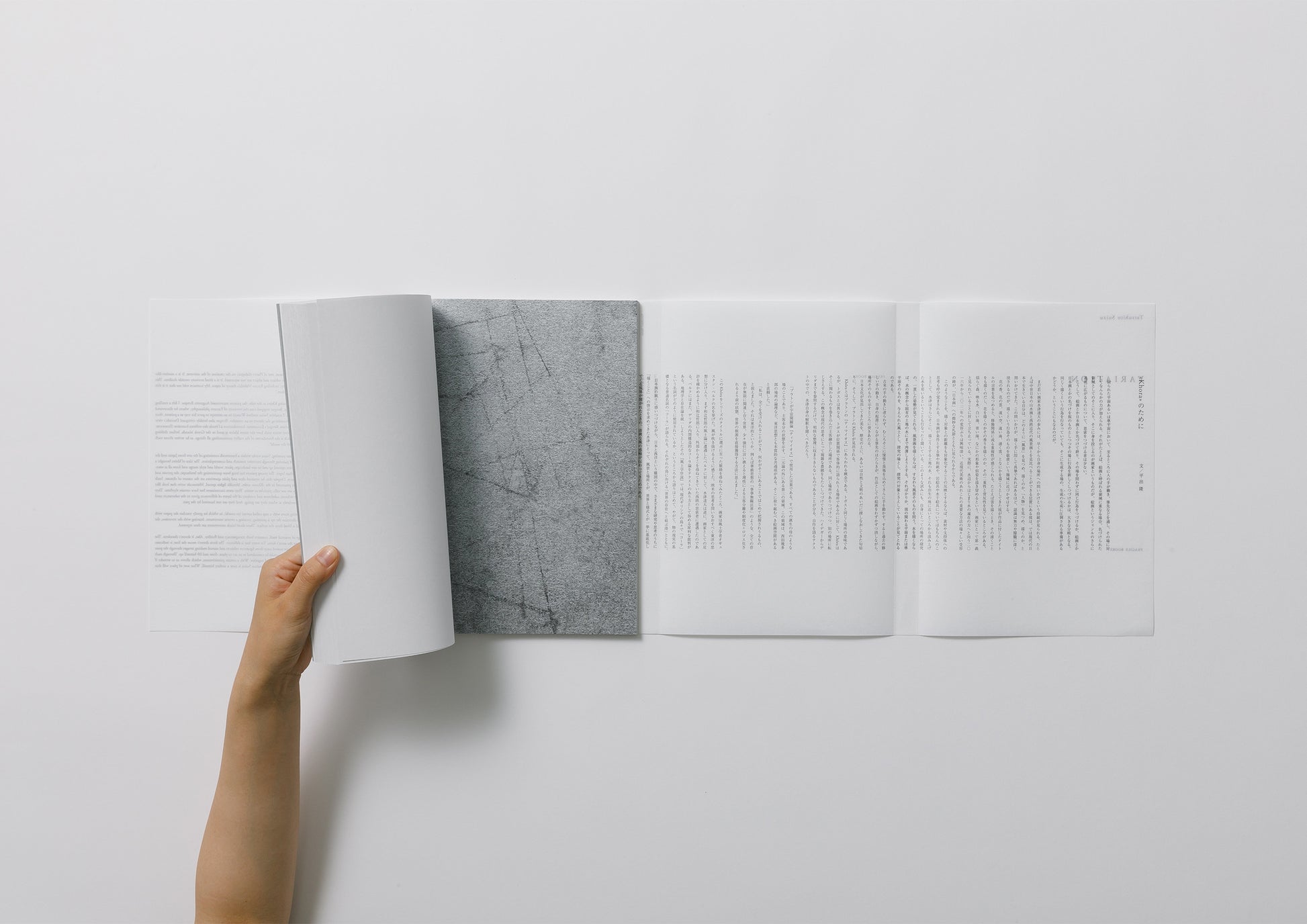
This is the first collection of works by Tatsuhiro Suizu, who has moved beyond the framework of Japanese painting to explore new horizons. The book features 80 full-scale works from the series Khora, created entirely using ink and aluminum.
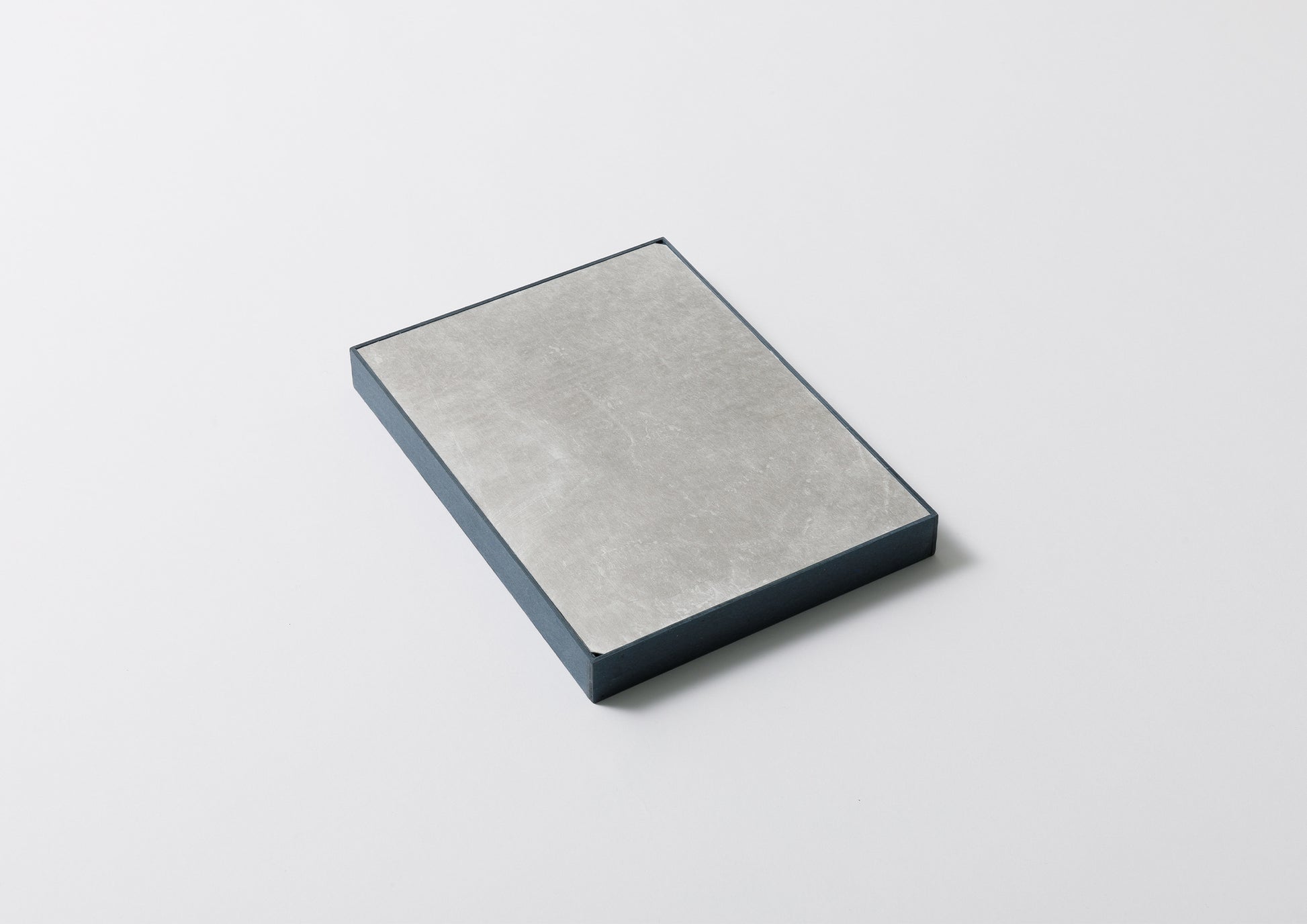
The edition is limited to 500 copies, each individually numbered. Copies no. 1 to no. 15 are special editions, each housed in a custom-made box by bookbinder Akie Tsuzuki and accompanied by an original artwork.
Interview with the Artist
What was the origin of this series?
At first, there was the landscape. As a motif imbued with culture and history, it was an आकर्षive subject. But gradually, I began to feel constrained by the composition of the picture plane governed by gravity.
Freedom from gravity?
Yes. I searched for my own method through trial and error. I moved from realistic depictions of actual scenery toward imaginary landscapes that open up more freely.
Cracks and blurs are also part of the landscape?
Yes. In Japan, people have long perceived landscapes in the surfaces of tea bowls or in ink stains. Within these chance occurrences—beyond human control—we find a kind of indescribable beauty. If so, perhaps it is possible to arrive at a landscape without directly depicting one. That was my realization.
That realization could have been fatal for a painter, yet you continued.
The essence of painting lies not in the “subject,” but in the “act of painting.” What remains is the act itself. That is what I came to understand.
So a landscape no longer requires a specific place?
There is no longer any need to depict a space tied to a particular location.
The title Khora comes from Plato’s Timaeus, referring to a generative, maternal space from which all things emerge. It describes a state in which subject and object are not yet divided—a fusion of self and world.
Like listening to music absentmindedly?
Exactly (laughs). In Japan, there is Kitaro Nishida’s “logic of place,” which resonates with this idea. I felt intuitively that there was a pictorial space to explore there.
The materials I use are aluminum—a product of modern mass production—and ink, a traditional material of the East. Using brush techniques, I layer them repeatedly.
Unintentional marks of ink fill the surface. The scenery changes endlessly depending on the angle of view, the light, and the viewer’s state of mind. These discontinuous variations merge binary oppositions such as East and West, culture and civilization, individuality and totality.
Even this book itself has undergone many revisions, resulting in its own form of discontinuous variation. I am glad that my first collection has taken this shape—it truly feels like a landscape.
About the Product
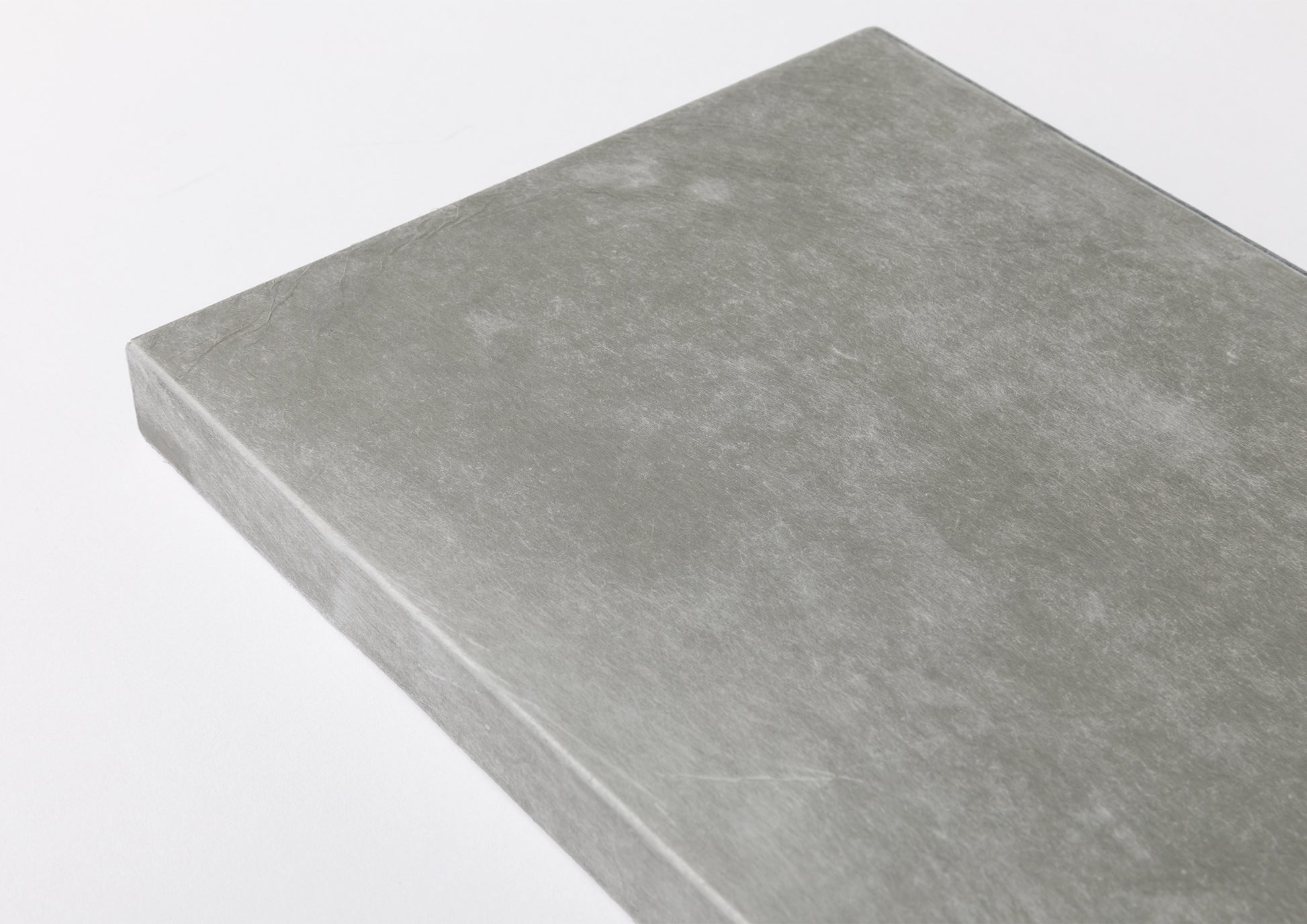
The sleeve case is made from paper containing long-fiber recycled material. Please enjoy the unique textures and variations that arise from its material characteristics.
Tatsuhiro Suizu
Born in Hiroshima in 1987. He completed a Master’s degree in Japanese Painting at Tokyo University of the Arts in 2013. In the same year, he participated in the reproduction project of Ban Dainagon Emaki. He completed the Omine Okugake Shugyo pilgrimage in 2016 and 2018. Major solo exhibitions include Traces (Entoku-in Temple, 2025) and Once Visited (Nihonbashi Mitsukoshi Main Store, 2022).